Introduction
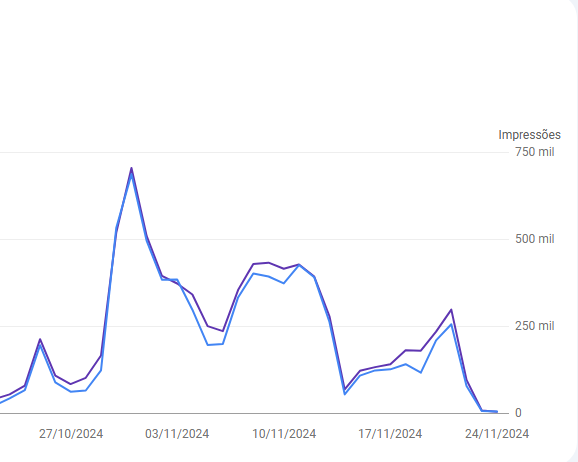
Waking up to find your website has slipped down Google’s search results is one of the most stressful things that can happen to a business online. One day you’re on page one the next, you’ve dropped off the top results entirely.
Here’s the good news: most ranking drops are diagnosable and fixable. At Simba Squad, we’ve helped businesses across Ahmedabad, Bangalore, Melbourne, and beyond recover their search visibility and we know from experience that panicking is the worst first step.
The better first step? Understanding exactly what happened. This guide walks you through the most common reasons your Google rankings may have dropped and what you should do about each one.
Real Reasons Your Google Rankings Are Falling
1. Broken Links Across Your Website
When pages on your website link to URLs that no longer exist because of site restructuring, page deletion, or a migration Google’s crawlers hit dead ends. These broken links stop Google from properly discovering your content, which can quietly erode your rankings over time.
A handful of broken links might not seem serious, but at scale they signal poor site health to Google.
What to do: Run a regular crawl of your website using tools like Screaming Frog or Ahrefs. Identify all broken links, then either set up redirects to working pages (a redirect automatically sends both visitors and Google to the correct URL) or remove the broken links entirely. Make this part of your monthly website maintenance.
2. Technical Website Problems
Technical issues are often invisible to the naked eye but very visible to Google. Slow page loading, crawl errors, broken redirects, and poor mobile performance are all signals that can push your rankings down.
Run through this checklist:
• Are your pages loading and displaying correctly for all visitors?
• Are your redirects (automatic page-forwarding rules) set up correctly?
• Has your preferred page URL changed recently without a redirect in place?
• Is your robots.txt file (the file that tells Google which pages to read) configured correctly?
• Does your website load quickly on mobile devices?
What to do: Even one misconfigured redirect or an accidentally changed page URL can trigger a ranking slide. If you’re unsure where to start, a technical website audit from Simba Squad can surface these issues quickly.
3. Google Being Blocked from Your Website
Sometimes the reason for a ranking drop is surprisingly simple: Google literally cannot access your website. This can happen when server-level security settings block automated crawlers, or when location-based restrictions accidentally filter out Google’s systems which operate from multiple countries, not just the US.
Another common cause is an overly restrictive robots.txt file. If it’s accidentally set to block key sections of your site, those pages will quietly disappear from Google’s index.
What to do: Check your robots.txt file (visible at yourdomain.com/robots.txt) and use Google Search Console’s URL Inspection tool to see whether your key pages are being accessed by Google. Also review your server’s security settings to ensure crawlers aren’t being blocked unintentionally.
4. ‘Noindex’ Tags Left on Your Pages by Mistake
This is one of the most common and most avoidable reasons for a ranking drop. When developers build or move a website, they add a noindex instruction to pages to prevent unfinished content from appearing in Google. The problem happens when they forget to remove those instructions after the site goes live.
The result: your pages exist, but Google won’t show them in search results. Traffic drops overnight.
What to do: Check Google Search Console under the Coverage report and look for pages marked as ‘Excluded’ with the reason ‘Noindex tag.’ You can also type site:yourdomain.com into Google to get a rough count of how many of your pages are visible. A sudden drop in that number is a major warning sign.
5. Your Content Has Gone Stale or Competitors Have Improved
Sometimes your site hasn’t changed at all your competitors have just gotten better. A rival who publishes more thorough, up-to-date content, earns more credible links, or improves their site speed can gradually outrank you on searches you’ve held for years.
Ask yourself:
• Is your content still accurate and relevant in 2026?
• Are competitors giving more detailed, helpful answers to the same questions?
• Do their pages load faster or feel better to use on a phone?
• Are they being featured in Google’s AI-generated answer boxes for your target searches?
• Do they have more credible websites linking to them?
What to do: Identify which competitor has overtaken you and study what they’ve done differently. Then update your content, improve your page structure, and focus on making your pages the most genuinely helpful resource available on that topic.
6. A Google Algorithm Update
Google updates the system it uses to rank websites thousands of times every year. Some are minor tweaks; others are significant changes that reshape entire industries’ rankings overnight.
If your rankings dropped around the time of a known Google update, that’s unlikely to be a coincidence. Google’s updates often target thin or unhelpful content, low-quality links, poor user experience, or pages that don’t demonstrate genuine expertise and trustworthiness.
One major shift worth knowing about: Google now shows an AI-generated answer box at the very top of search results for many queries. If your content isn’t being pulled into these answer boxes, your click-through rates may be suffering even if your ranking position hasn’t technically changed.
What to do: Follow Google’s Search Central Blog and reputable SEO news sources to stay informed about updates. After any major update, review your content against Google’s quality guidelines focusing on whether your pages demonstrate real expertise and provide genuine value. Simba Squad tracks all major updates and adjusts client strategies proactively.
7. Changes Made to Your Page Content
Every time someone edits your website content, there’s a risk of accidentally hurting your rankings. A well-meaning rewrite that removes important context, changes heading structures, or strips out key information can undo months of work.
Check these elements if you’ve recently updated content:
• Page titles — even a small change here can significantly affect rankings
• Meta descriptions — the short summary shown in search results, which affects how often people click your listing
• Main and subheadings — these carry strong signals about what your page covers
• Body content — were important information or supporting context accidentally removed?
• Internal links — were any removed during a redesign?
What to do: Before making major content changes, save a copy of your current top-ranking pages. Test changes in a staging environment before publishing. After any update, keep a close eye on rankings for two to four weeks.
8. Changes to Which Websites Link to You
Links from other credible websites to yours are one of Google’s strongest trust signals. When you lose high-quality links or when low-quality links start pointing to your site rankings can drop significantly.
Two common scenarios to watch for:
• Losing good links: A publication that linked to you may have removed the article, changed their URL, or shut down entirely. Even losing a handful of strong links can reduce your site’s credibility in Google’s eyes.
• Removing the wrong links: Disavowing (formally rejecting) low-quality links is sometimes necessary but accidentally flagging valuable links as spammy is a common and painful mistake.
What to do: Monitor your link profile regularly with tools like Ahrefs, Semrush, or Majestic. Set up alerts for lost links so you can reach out to publishers and request reinstatement where appropriate.
9. A Google Manual Penalty
If you’ve checked everything else and still can’t explain the drop, it’s worth checking whether Google has issued a manual penalty against your site. This is a penalty applied by a Google reviewer when your site is found to violate Google’s guidelines.
This can happen due to low-quality link building, thin content, misleading practices, or hidden text. Penalties range from affecting a single page to removing your entire website from search results.
What to do: Log in to Google Search Console, go to Security & Manual Actions, then Manual Actions. If a penalty exists, it will appear here with an explanation of the issue. Resolving a manual penalty requires fixing the underlying problem and then submitting a reconsideration request to Google.
Conclusion
A Google ranking drop is stressful but it is almost always fixable once you know the cause. The key is to approach it systematically: check technical issues first, review any recent site changes, look at your link profile, and cross-reference your drop with any known Google updates.
| At Simba Squad, we specialise in exactly this kind of diagnostic work. Whether your traffic has dropped overnight or has been slowly declining over months, our team can run a full audit, identify the root cause, and build a recovery plan tailored to your website. |
Ready to get your rankings back on track? Visit simbasquad.com/contact to get started.
Frequently Asked Questions
What is a Google algorithm update?
Google’s algorithm is the system it uses to decide which pages rank for which searches. Regular updates refine how it evaluates content quality, relevance, technical performance, and trustworthiness. When significant updates roll out, rankings across many websites shift — sometimes substantially.
How long does it take to recover from a ranking drop?
Recovery time depends on the cause. Simple technical fixes like removing an incorrectly placed noindex instruction can restore rankings within days once Google re-crawls the page. Recovering from a manual penalty or a major algorithm-related issue may take several weeks to months, depending on how thoroughly the underlying problem is addressed.
Can I prevent ranking drops entirely?
Not entirely Google updates are outside any website owner’s control. But you can significantly reduce your risk by consistently publishing useful content, keeping your website technically sound, earning credible links, and monitoring your site health regularly.
Is losing rankings temporarily normal?
Yes. Short-term fluctuations of a few positions are completely normal and usually correct themselves within a few days. It’s sustained drops especially those that coincide with a site change or Google update that require investigation.
How does Simba Squad help with ranking recovery?
We run a thorough website audit covering technical health, content quality, link profile, and competitor positioning. From there, we build a targeted recovery and growth plan for your site. Visit simbasquad.com/contact to get started.